
The Best Greenhouse Plants for Year Round Growing Success
Disclosure: As an Amazon Associate I earn from qualifying purchases. This post may contain affiliate links, which means I may earn a small commission if you click through and make a purchase – at no extra cost to you.
A Complete Guide for Heated and Unheated Greenhouses
There is something incredibly grounding about stepping into your greenhouse on a cool morning and seeing life thriving in every corner. Over the years I have learned that successful year round growing is not only about equipment or structure. It is about choosing the right plants for the right conditions. Some plants love the warmth of a heated greenhouse while others stay happy in cooler temperatures. Today I want to share all the greenhouse plants that have truly given me success through every season and I hope they bring you the same joy in your own space.
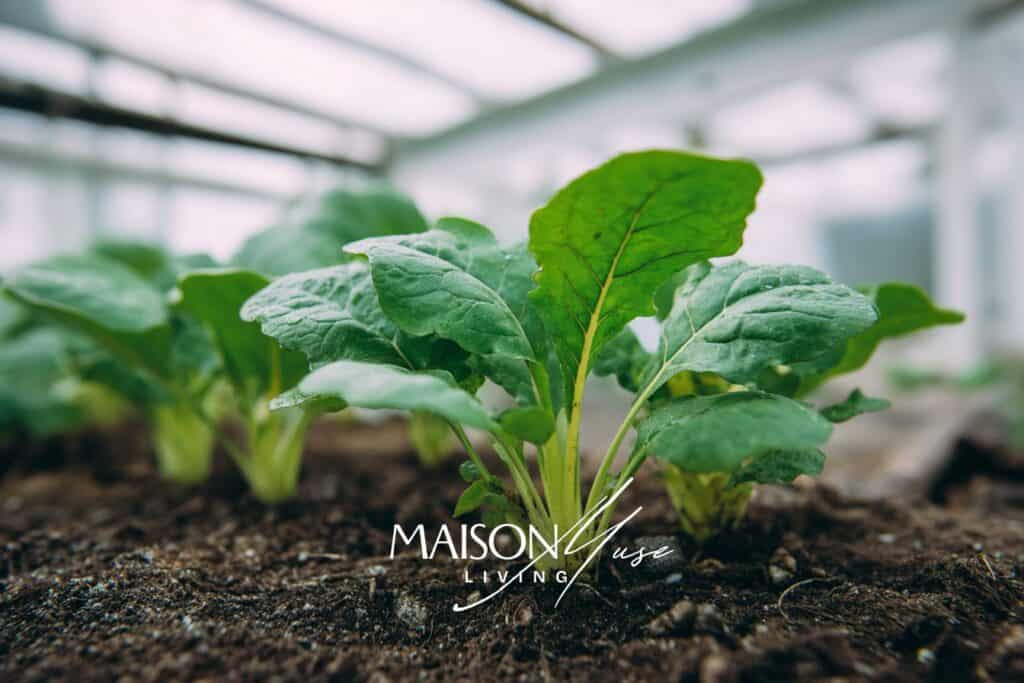
Start Here: The Simple Greenhouse Check That Changes Everything
Before we jump into specific plants, here is the one thing I wish someone had told me sooner. In winter, your biggest limiting factor is usually light, not your motivation, and that realization saves a lot of disappointment. I learned this after babying basil like it was a houseplant, only to watch it look offended by January anyway.
Check these three things in your greenhouse this week:
- Your morning temperature right after sunrise
- How many hours of bright light you actually get on a winter day
- Whether the air feels still, or you have gentle airflow
Once you know those basics, picking year round plants gets way easier and a lot less random. You will also waste less money on “fix it” products because you can match plants to your conditions from the start. If you only change one thing after reading this guide, let it be this little reality check.
Best Greenhouse Plants for Year Round Success
Heated vs Unheated Greenhouse: Quick Plant Guide
If you are wondering what to grow in a heated greenhouse versus an unheated one, this quick guide helps you decide fast. I like to think of it as choosing plants that cooperate with your season instead of fighting it. When I stopped trying to force summer crops in low light winter weeks, my greenhouse became calmer and my harvests became more predictable.
If your greenhouse is mostly unheated, start here:
- Leafy greens, winter greens, root vegetables, microgreens
- Herbs like rosemary, thyme, oregano
If your greenhouse is heated or you can add gentle warmth, add these:
- Tomatoes, peppers, citrus, strawberries
- Basil and other tender herbs
This is not about having the fanciest setup. It is about matching your plant list to what your greenhouse naturally wants to do in each season. That is the secret to year round growing that feels satisfying instead of exhausting.
1. Leafy Greens That Thrive in Cool Weather
Leafy greens are some of the easiest plants to grow through the year especially in unheated greenhouses. They prefer gentle temperatures and will reward you with a steady harvest even when your yard is covered in frost. I love growing romaine, butterhead, and loose leaf lettuce because they are low maintenance and they regrow quickly after cutting. Spinach does especially well in cooler conditions which makes it a powerful choice for winter harvests. Swiss chard is another wonderful plant because it tolerates both warm and cool temperatures which makes it one of the most versatile choices for any greenhouse.
When I grow leafy greens in my greenhouse I like to keep a few simple tools on hand that make a surprising difference. Floating row covers help protect tender leaves from unexpected cold nights and they create a gentle microclimate that keeps the plants happy even when the temperature outside drops. I also rely on a good organic all purpose fertilizer because greens grow continuously and appreciate steady nourishment throughout the season. Deep rectangular seed trays are another favorite of mine since they give roots the space they need to develop well which makes transplanting easier and much less stressful for the plants. With these three essentials your greenhouse setup feels more organized and your harvest becomes more reliable through the entire year.


2. Hardy Herbs for Every Season
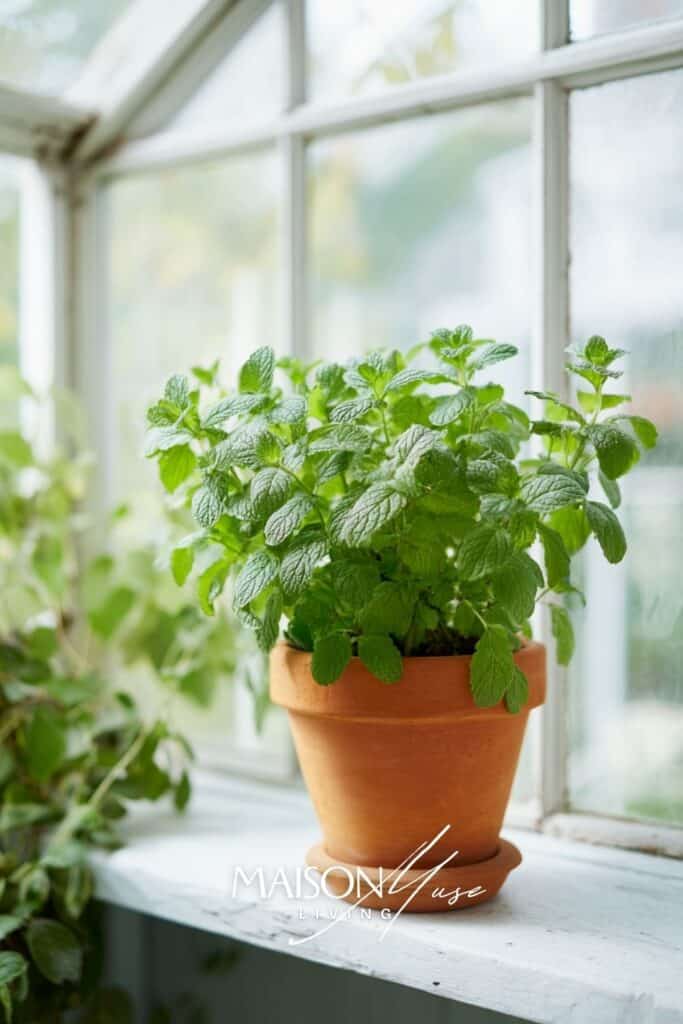
Herbs are some of the most rewarding plants to grow because they thrive with very little maintenance. Rosemary stays strong even in cooler temperatures which makes it perfect for winter growing in an unheated greenhouse. Thyme and oregano also handle seasonal shifts with grace and they keep producing fresh flavor for every meal. Basil prefers warmer conditions but with a small heater or heat mat it will grow beautifully all year. I also love to keep mint in containers because it spreads quickly and fills the greenhouse with the most amazing fresh scent.
I swear herbs have personalities, and greenhouse season makes it extra obvious. Rosemary acts like it pays rent and never causes drama, while basil is the friend who needs a pep talk every single day. If basil gets leggy in winter, it is usually asking for more light, not more love. And if you grow mint, give it its own container, because mint is basically the plant version of “I will take over the whole neighborhood.”
Clay herb pots are one of my secret greenhouse staples because they help the soil breathe and prevent herbs from becoming waterlogged. I also like to keep an indoor grow lamp nearby since winter light can be unreliable and a little extra brightness keeps basil and rosemary looking vibrant. A good organic potting mix created specifically for herbs makes a noticeable difference too because it supports steady root growth without overwhelming these delicate plants. When these three pieces come together your herbs stay happier and far more productive through the entire year.

3. Tomatoes for Extended Seasons
Tomatoes are not always considered year round plants but with the right greenhouse setup they can produce far longer than outdoor varieties. Cherry tomatoes do incredibly well because they ripen quickly and stay productive in warm conditions. With a heated greenhouse you can even grow them through the winter. I love using tall tomato support clips and pruning them lightly to encourage continuous production. Tomatoes appreciate consistent watering and warm conditions which makes them one of the most rewarding plants for enthusiastic greenhouse gardeners.
When your greenhouse is closed up and the air is still, tomato flowers do not always pollinate well on their own. I gently tap the main stem or the flower clusters every couple of days, and it makes a real difference in fruit set. If blossoms drop, think temperature swings first, because cool nights and hot afternoons can stress the plant fast. Once the temperature is steadier and pollination improves, tomatoes usually get back on track without any dramatic changes.
Tomatoes grow best when they have consistent support and that is why I always keep a pack of tomato clips on hand since they help guide the vines upward without damaging the stems. A small drip irrigation kit also takes away the stress of uneven watering and keeps moisture exactly where the plants need it. I find that using a high quality peat free potting mix gives tomatoes a stronger start and healthier long term growth. Together these simple tools create a greenhouse environment where tomatoes feel stable and productive even during seasonal transitions.


4. Citrus Trees for Indoor Sunshine
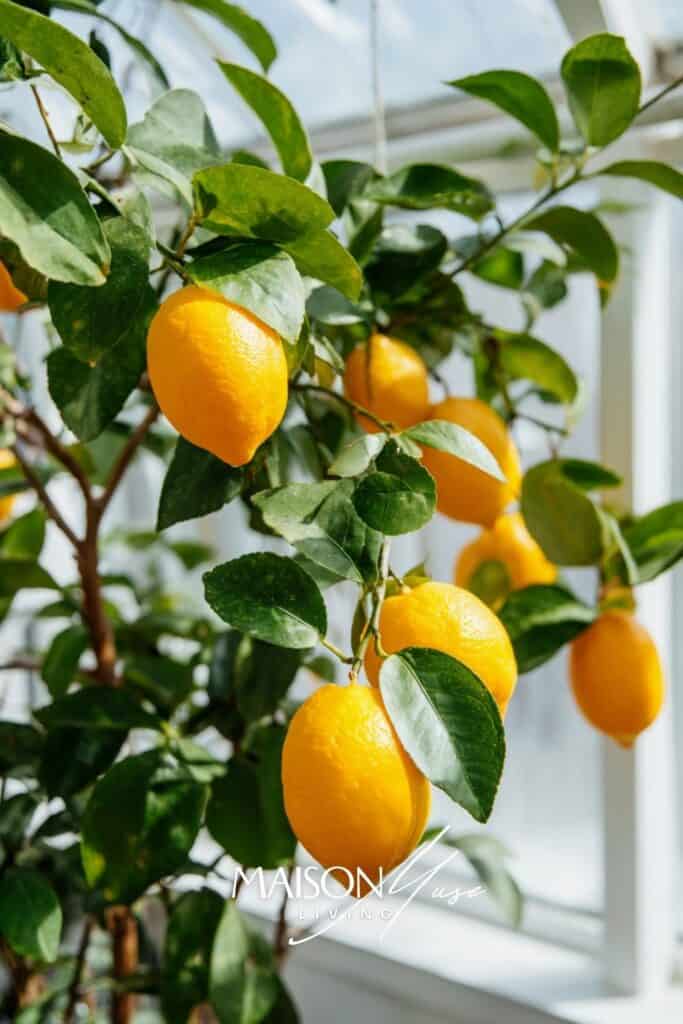
Citrus trees are beautiful long term greenhouse companions and they bring so much life to the space. Meyer lemons thrive in bright filtered light and love the steady humidity a greenhouse naturally offers. You can grow limes or small oranges in containers which allows you to move them if needed. Citrus prefers warm conditions so they perform best in heated greenhouses through the winter. The scent of citrus blossoms in early spring is one of my personal favorite greenhouse moments because it feels like a small tropical escape in the middle of seasonal weather.
A rolling plant caddy is one of the best helpers when growing citrus because it lets you move trees easily to adjust light or airflow without straining your back. Citrus fertilizer also plays a big role since these trees are heavy feeders and respond quickly to the right nutrients. If your greenhouse gets dry in winter a humidity tray beneath each pot adds just enough moisture to keep leaves from dropping. When you combine these three things your citrus trees stay healthier and you enjoy more blossoms and fruit through the year.

5. Peppers That Love Warm Conditions
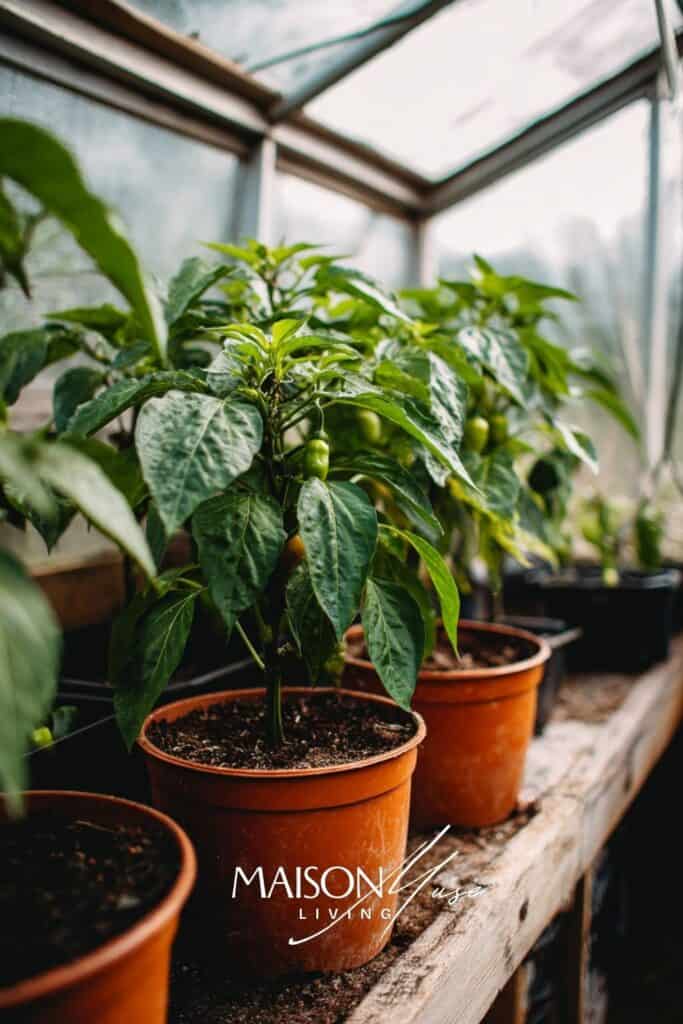
Peppers flourish in warm stable environments which makes them ideal for heated greenhouses. Sweet bell peppers stay productive through long seasons while hot peppers like jalapeño and cayenne love extended warmth. Growing peppers in large containers gives them space for deep roots which leads to healthier plants. Peppers also appreciate regular feeding which can easily be done with a gentle organic fertilizer. A warm greenhouse environment allows pepper plants to continue producing far into the colder months which feels incredibly rewarding when everything outside is dormant.
Large containers with good drainage give peppers the roomy root space they crave and I always see fuller plants when they are not cramped. A gentle organic pepper fertilizer keeps growth steady without overwhelming the soil and it helps the plants produce peppers deep into the cooler months. I also like using a watering wand with a soft flow because it hydrates the soil without splashing the foliage which helps reduce stress on warm loving plants. These little upgrades create such a noticeable difference in the overall health of your pepper crop.


6. Root Vegetables for Cool Season Growing
Root vegetables like carrots and radishes love cooler temperatures which make them ideal for fall and winter greenhouse growing. They grow well in deep soil beds and produce reliable harvests even when frost appears outside. I like growing rainbow carrots because the colors feel cheerful on a gloomy winter day. Radishes grow very quickly which makes them fun for kids to harvest throughout the colder months. You can also grow beets which thrive in consistent moisture and gentle temperatures.
A deep raised bed allows root vegetables to stretch and develop evenly which makes harvest time so much more satisfying. I also rely on a simple moisture meter because it prevents overwatering, something root crops can be a bit sensitive to especially during colder months. A gentle organic fertilizer crafted for root vegetables supports strong underground growth that helps carrots and beets reach their full potential. When these three choices work together your cool season greenhouse harvest becomes incredibly reliable and rewarding.

7. Strawberries for Extended Harvest Seasons
Greenhouse strawberries feel like pure magic because they fruit far earlier and later than outdoor varieties. Ever bearing strawberries produce small but sweet berries over a long season and they enjoy the protective warmth of greenhouse conditions. I love planting strawberries in raised troughs because it keeps the fruit clean and easy to pick. With gentle winter heating you can even grow strawberries nearly year round. Kids especially love visiting the greenhouse when the berries begin to blush with color.
A hanging trough planter keeps strawberries lifted off the soil and makes each berry easier to pick while also helping improve airflow. Strawberry specific fertilizer supports steady blooming through the entire season which keeps your harvest fuller and sweeter. I also like using lightweight mesh covers when needed because they protect delicate berries from pests without blocking the gentle warmth of the greenhouse. These simple additions transform strawberry growing into a much more enjoyable and successful experience.

8. Microgreens for Weekly Harvests
Microgreens are one of the fastest crops you can grow in a greenhouse and they deliver incredible flavor. They grow beautifully in both heated and unheated greenhouses which makes them an ideal year round plant. I love growing sunflower shoots, radish microgreens, and pea shoots because they grow quickly and taste delicious. Microgreens also require very little space which makes them perfect for shelves or unused corners of your greenhouse. If you enjoy consistent harvests through the year this is one of the easiest ways to achieve it.
Microgreens are my favorite little “reset button” crop because they make you feel successful fast. I like to sow a small tray once a week, and then I always have something fresh even when the rest of the greenhouse is moving slower. If you harvest with clean scissors and store them dry, they stay crisp longer and do not turn into a sad little science experiment in the fridge. It sounds small, but a tiny tray of greens can make a winter week feel surprisingly abundant.
Shallow trays designed for microgreens help roots stay evenly hydrated and make harvests simple and clean. A small seed sprayer bottle is another favorite of mine because it delivers a soft mist that keeps seeds in place while still providing enough moisture. Microgreen soil blends tend to be lighter and more breathable which gives these tiny plants the perfect growing environment. When you use these three tools together you will notice how quickly and consistently your microgreens bounce back each week.


9. Winter Greens for Cold Climate Greenhouses
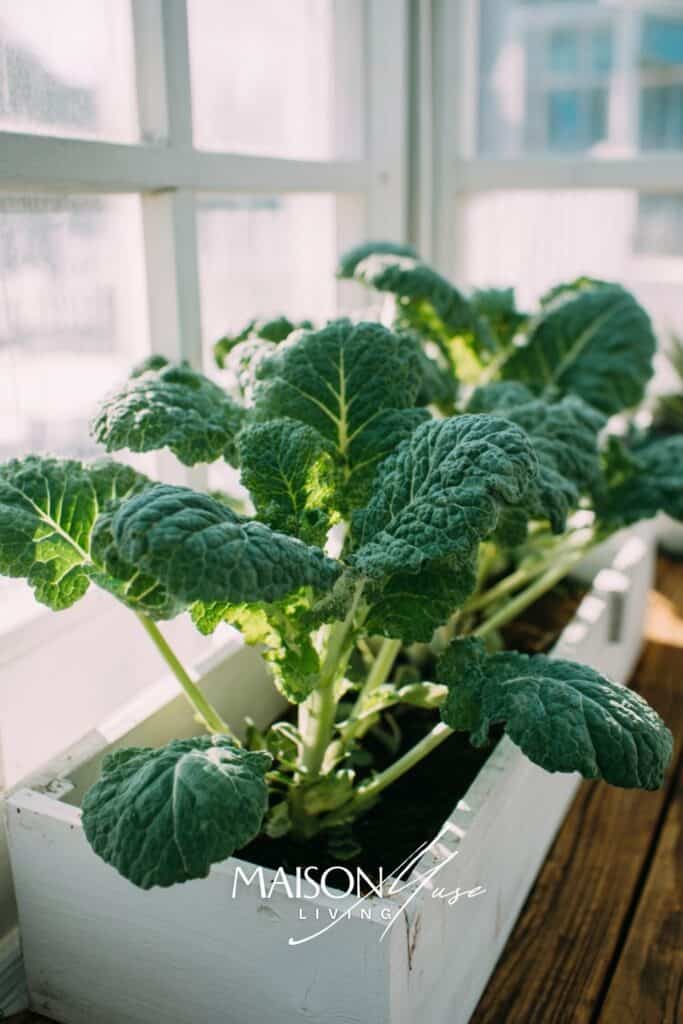
Winter greens are some of the strongest performers in unheated greenhouses because they handle chilly temperatures with ease. Kale grows beautifully even when cold air settles overnight and often tastes sweeter after light frost exposure. Mizuna and tatsoi are flavorful Asian greens that bring beautiful texture to salads throughout the winter months. These greens do not require constant attention which makes them perfect for winter gardeners who prefer low stress growing. They also look beautiful in raised beds and bring life to your greenhouse during quieter seasons.
Cold frame covers add a gentle layer of protection that helps winter greens stay crisp and healthy even when temperatures dip overnight. A winter greenhouse thermometer becomes surprisingly helpful because it gives you a clearer idea of when to ventilate or add light cover. Slow release organic fertilizer keeps cool season greens nourished without the need for constant feeding which is especially helpful during busy winter months. These simple additions help your winter greens stay vibrant and reliable all season.

Quick Greenhouse Troubleshooting
If something looks off in your greenhouse, you are not alone, and it usually is not a mystery. Most issues come from the same few patterns, especially in winter when light and airflow change from week to week. I keep this quick list around because it prevents me from overreacting and buying random “solutions” I do not need.
Common greenhouse problems and simple first fixes:
• Pale leaves: increase light first, then reassess feeding
• Floppy plants at midday: adjust watering timing and add gentle airflow
• Mold or fungus gnats: reduce surface moisture and improve air circulation
• Flowers dropping on warm crops: check temperature swings and help pollination
• Slow winter growth: add light, then consider gentle heat if needed
Give one change a few days before you do the next one. A calm routine beats constant intervention almost every time. And if you are reading this while side eyeing a struggling plant, most of them bounce back once the environment steadies.
Final Thoughts
Growing plants year round in your greenhouse is one of the most rewarding gardening experiences. There is something so peaceful about knowing that even when the seasons shift outside you can still nurture life inside your little glass sanctuary. Whether you work with heat or embrace natural cold temperatures there is a plant on this list that will thrive for you. I truly believe that greenhouses teach us patience and rhythm in a way few other spaces can. I hope this guide helps you create a greenhouse that brings joy and delicious harvests through every season.
You Will Also Like
• How to Set Up Your Greenhouse for Maximum Growing Space
• 5 Worst Places to Grow Orchids (and Where They Thrive Instead)
FAQs
Leafy greens, herbs like rosemary and thyme, and hardy winter vegetables are some of the easiest plants to grow in an unheated greenhouse. They adapt well to seasonal temperature changes and require very little maintenance. These plants also produce reliable harvests even when conditions outside are cold.
You can grow tomatoes and peppers through the year if you use a heated greenhouse or add small supplemental heating. These plants depend on warm consistent temperatures and longer daylight hours. With proper care they will produce fruit far beyond the typical outdoor season.
Citrus trees thrive in greenhouses because they love humidity and bright indirect light. They grow best in warm environments which makes them perfect for heated greenhouses during winter months. With consistent care you can enjoy blossoms and fruit even when the weather outdoors is cold.

